As the Latin American neuroscience community gathers in Santiago for the IV FALAN Congress in Neuroscience, The Transmitter has published a major special report exploring the current state of neuroscience across the region.
“The State of Neuroscience in Latin America” brings together the voices of nearly 50 neuroscientists to examine the strengths, challenges and opportunities shaping research throughout Latin America. The project explores how scientists continue to produce high-quality and innovative research while facing persistent challenges related to funding, infrastructure and access to the international scientific stage.
Through an interactive map and a collection of articles, interviews and profiles, the report offers perspectives from Mexico, Colombia, Brazil, Chile, Argentina and Uruguay, highlighting research institutions, neuroscience societies, scientific developments, funding environments and researchers who are helping shape the future of the field.
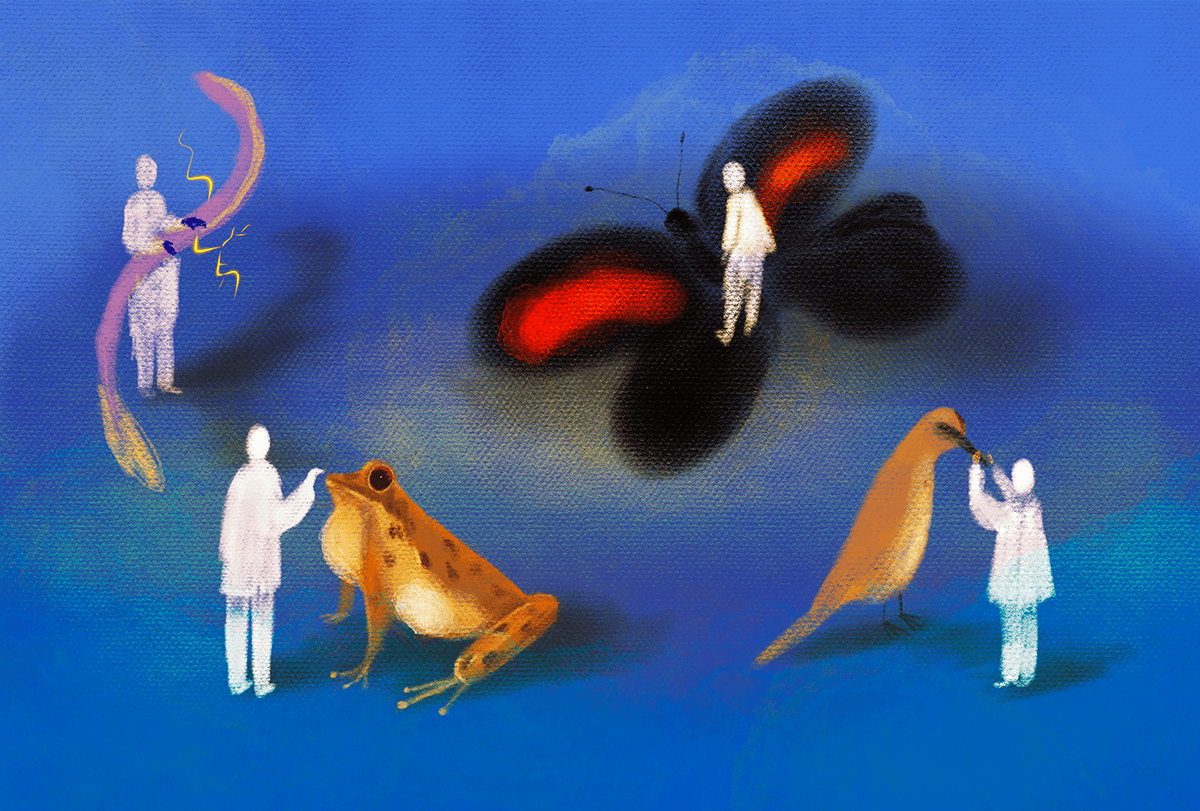
The special report is organized around three major areas: Research, Policy and People. Its coverage ranges from neuroethology, computational and open neuroscience to research funding, scientific infrastructure, training, regional collaboration and the experiences of early-career neuroscientists.
FALAN and the future of regional neuroscience
The report also includes a feature dedicated to FALAN, “How FALAN is building a thriving neuroscience community in Latin America,” examining the Federation’s efforts to strengthen collaboration and provide high-quality training opportunities for young neuroscientists throughout the region. Its publication coincides with the IV FALAN Congress, which begins in Santiago on August 31.
Several researchers featured throughout this special coverage are part of the scientific community gathering for FALAN 2026, making the report a timely opportunity to discover some of the people, institutions, ideas and challenges that are shaping neuroscience in Latin America today.
We invite the FALAN community to explore this comprehensive project and learn more about the remarkable diversity and vitality of neuroscience across our region.